What Is Obesity? Weight, Health and Risk Explained
7 October 20264 min readWeight Gain and Loss
Obesity is more than a number on the scale. Learn how weight, BMI, body fat, health risks and medical assessment are connected, and when to seek professional advice.
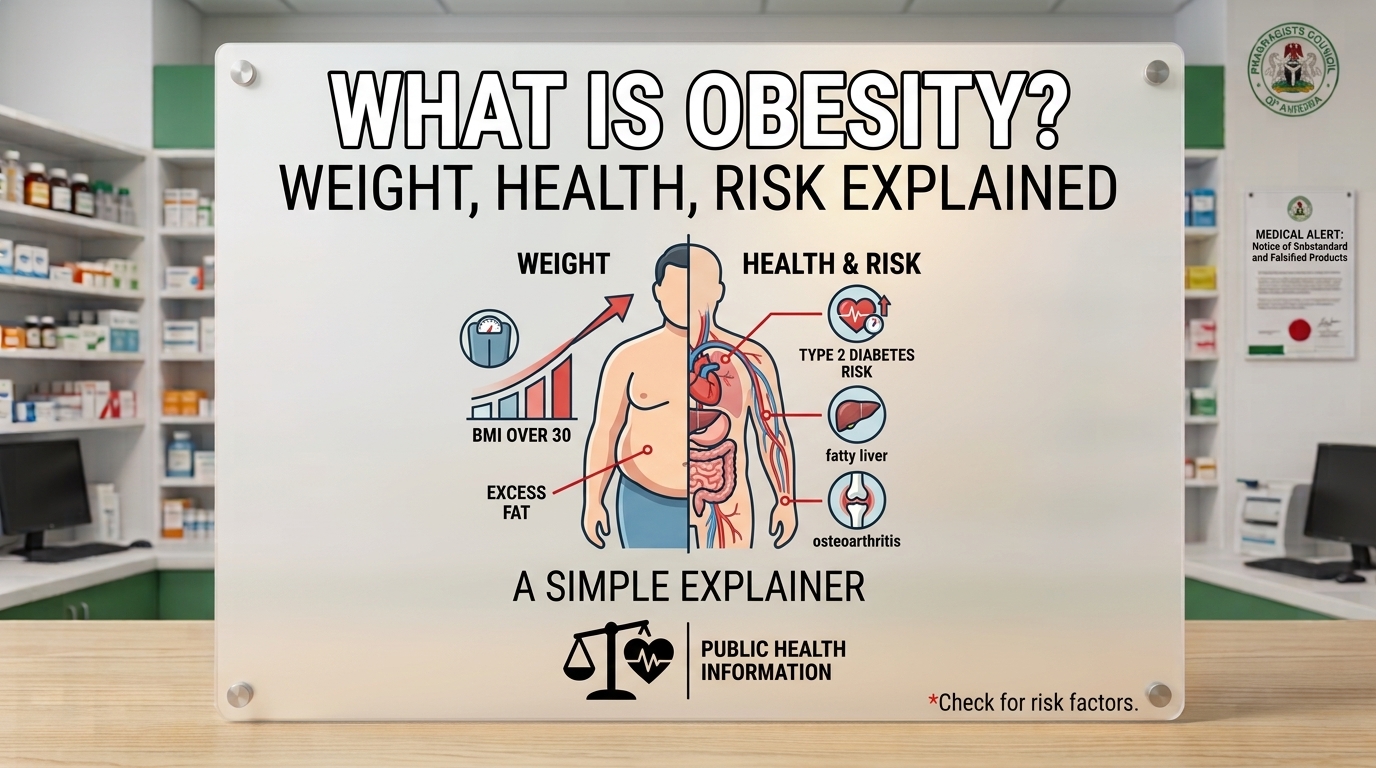
Obesity is a medical condition involving excess body fat that may affect health. It is not simply a matter of appearance, willpower, or personal responsibility. Body weight can be influenced by genetics, sleep, stress, medicines, medical conditions, food access, physical activity, income, and the surrounding environment.
A person’s weight does not tell the whole story about their health. Some people with a higher body weight may have few immediate health problems, while others may develop high blood pressure, diabetes, sleep problems, or joint disease. Conversely, a person who appears to be within a “healthy” weight range may still have medical risks. A proper health assessment should consider more than a number on a scale.
What Is Obesity?
The World Health Organization defines overweight and obesity as abnormal or excessive fat accumulation that may impair health. For adults, a body mass index (BMI) of 25 or higher is generally classified as overweight, while a BMI of 30 or higher is classified as obesity.
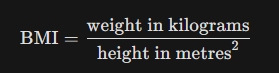
BMI is calculated by dividing weight in kilograms by height in metres squared:
For adults, commonly used BMI categories are:
Underweight: below 18.5.
Healthy-weight range: 18.5 to less than 25.
Overweight: 25 to less than 30.
Obesity: 30 or higher.
Obesity is further divided into classes: class 1 is a BMI of 30 to less than 35, class 2 is 35 to less than 40, and class 3 is 40 or higher.
These categories are screening tools, not complete diagnoses. They do not directly measure body fat, muscle mass, fat distribution, fitness, metabolic health or a person’s medical history. A muscular person may have a high BMI without having excess body fat, while someone with a lower BMI may carry a relatively high amount of fat around the abdomen.
Frequently Asked Questions
Here are answers to some common questions about this topic.
What is obesity?
Obesity is a health condition in which a person has more body fat than may be healthy. In adults, a BMI of 30 or higher is commonly used as a screening measure, but BMI is not a complete diagnosis.
Is BMI the same as a person’s health?
No. BMI does not show how much of a person’s weight is muscle, bone or fat. Doctors may also check waist size, blood pressure, blood sugar, cholesterol and medical history.
What can cause obesity?
Obesity can be linked to genes, sleep, stress, medicines, medical conditions, eating patterns, physical activity and the environment. It usually does not have one single cause.
What health problems are linked to obesity?
Obesity is linked with a higher risk of high blood pressure, type 2 diabetes, heart disease, stroke, sleep apnoea, joint problems and some cancers. It does not mean that every person with obesity will develop these conditions.
Disclaimer: This article is for informational purposes only. Always consult a qualified healthcare professional for medical advice and visit nafdac.gov.ng for official NAFDAC information.
Children and teenagers should not be assessed using adult BMI categories. Their BMI is interpreted according to age- and sex-specific growth references.
Weight Is Not the Same as Health
Weight can provide useful information, but it should not be treated as a complete measure of health. A doctor may consider waist circumference, blood pressure, blood glucose, cholesterol, sleep quality, physical function, family history, medicines and existing medical conditions.
Fat stored around the abdomen may be more strongly associated with some health risks than body weight alone. Waist measurement can therefore provide additional information, although cut-offs vary between guidelines and populations.
The National Heart, Lung, and Blood Institute notes that a waist circumference above 35 inches for women or above 40 inches for men is associated with increased risk in its guidance.
A health assessment should also avoid weight stigma. Negative stereotypes, shame and discrimination can affect mental health, reduce trust in healthcare and discourage people from seeking medical care. Using respectful, person-first language such as “a person with obesity” can support more respectful communication.
What Causes Obesity?
Obesity usually results from multiple interacting factors rather than one simple cause. These may include:
Genetic and biological factors that affect appetite, metabolism and how the body stores energy.
Eating patterns, including frequent intake of energy-dense foods or sugary drinks.
Limited opportunities for physical activity.
Poor sleep or irregular sleep schedules.
Long-term stress and some mental-health conditions.
Certain medicines and medical conditions.
Pregnancy, ageing and other life changes.
Limited access to affordable nutritious food.
Neighbourhoods without safe or convenient places to be active.
These factors can influence a person’s choices and body processes. Telling someone simply to “eat less and exercise more” may overlook important medical, social and environmental influences.
What Health Risks Are Associated With Obesity?
Obesity is associated with a higher risk of several health conditions, including type 2 diabetes, high blood pressure, abnormal cholesterol, heart disease, stroke, sleep apnoea, osteoarthritis and some cancers. It may also contribute to breathing problems, fatty liver disease and reduced physical function.
Risk does not occur in exactly the same way for everyone. It may be influenced by the amount and distribution of body fat, how long a person has had excess weight, family history, age, other medical conditions and access to healthcare. A higher risk does not mean that a person will definitely develop a particular disease.
Obesity can also affect quality of life and emotional wellbeing, especially when a person experiences stigma or difficulty accessing appropriate healthcare. Health professionals should address both physical and psychological needs without using blame or humiliating language.
How Is Obesity Assessed and Treated?
A doctor or other qualified healthcare professional may assess weight, height, BMI, waist measurement, blood pressure, blood tests, sleep, medicines and other health risks. If weight gain is sudden or unexplained, the clinician may also check for medical conditions or medicine-related causes.
Treatment is individualized. It may include support with eating patterns, physical activity, sleep, stress management and behaviour change. The aim is not always rapid weight loss; improving blood pressure, blood glucose, mobility, sleep or other health measures may also be important.
For some adults, a healthcare professional may consider prescription weight-management medicines or metabolic and bariatric surgery. These treatments are not suitable for everyone and require medical assessment, monitoring and discussion of possible benefits and risks.
Avoid unverified slimming products, extreme diets and medicines sold without proper authorization. Products marketed as “natural” or guaranteed weight-loss cures may contain undeclared ingredients or may interact with prescribed medicines. Before using a weight-loss product, speak with a doctor or pharmacist and check the relevant medicines regulator’s safety information.
When Should You See a Doctor?
Make an appointment if you are concerned about your weight, have rapid or unexplained weight change, or have symptoms such as loud snoring, pauses in breathing during sleep, excessive daytime sleepiness, chest discomfort, persistent breathlessness, swelling, unusual thirst or frequent urination.
You should also seek medical advice before starting weight-loss medicine, a very restrictive diet or an intensive exercise programme if you have a chronic condition, are pregnant, take regular medicines or have previously experienced an eating disorder.
A doctor can help distinguish between weight-related risk and an immediate medical problem. They can also recommend safe, realistic care rather than a one-size-fits-all plan.
Conclusion
Obesity is a complex health condition, but body weight alone does not define a person’s overall health. BMI can help identify possible risk, yet it should be interpreted alongside waist measurement, medical history, laboratory results, physical function, and well-being.
If you are concerned about your weight or related symptoms, visit a doctor for an individual assessment. Avoid shame-based advice and unverified weight-loss products. Safe treatment should be based on reliable evidence, personal circumstances, and ongoing professional support.
When should I see a doctor about my weight?
See a doctor if you are worried about your weight, have unexplained weight changes or have symptoms such as breathlessness, severe tiredness, unusual thirst, frequent urination or sleep problems. Speak with a doctor before using weight-loss medicines or starting a strict diet.
Disclaimer: VerifyProduct.ng organizes publicly available information for educational purposes only and does not replace official verification through NAFDAC or any regulatory authority. This platform is not affiliated with NAFDAC or any government agency.