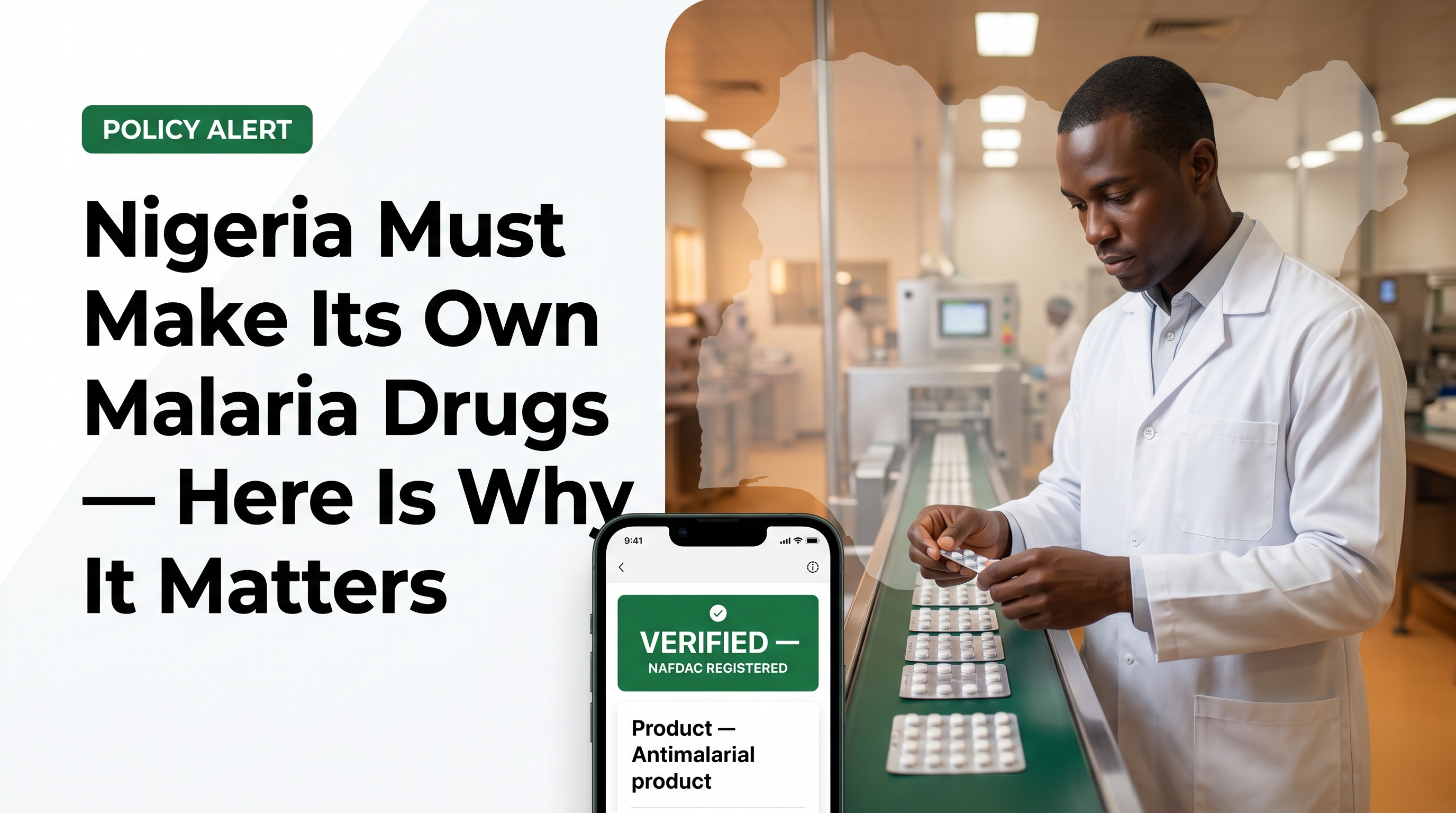
With international donor funding declining globally, Nigerian health stakeholders and the National Malaria Elimination Programme (NMEP) are warning that Nigeria must urgently pivot toward domestic financing and support local pharmaceutical manufacturing to secure its healthcare system.
Nigeria currently carries the highest malaria burden globally, accounting for more than one-quarter of all international cases and nearly one-third of malaria-related deaths.
Declining Foreign Aid Triggers Emergency Policy Shift
During a high-level advocacy dialogue on domestic financing held in Abuja, health experts, policymakers, and private sector leaders gathered to address the financial gaps threatening the country's malaria elimination goals.
With key international partners scaling down regional support, the NMEP emphasised that relying on external funding for essential antimalarial drugs, diagnostic tools, and insecticide-treated nets is no longer sustainable.
Delivering the keynote address, NMEP National Coordinator Dr. Nnenna Ogbulafor stated:
"Nigeria must take greater ownership of financing its malaria response as the global health funding landscape continues to evolve. Sustainable malaria elimination requires predictable funding for prevention, diagnosis, treatment, surveillance, health worker training and community engagement."
Dr. Ogbulafor explained that this new funding model requires strategic financial contributions from federal and state governments, the organised private sector, local philanthropists, and health insurance schemes rather than basic charity donations.
Why Nigeria Must Make Its Own Medicines
A core pillar of this emergency transition is the promotion of "medicine security"—a concept developed by indigenous drug manufacturers to end Nigeria's historical dependence on imported finished pharmaceutical products.
Local manufacturers argue that relying heavily on imported medicines leaves the Nigerian population highly vulnerable to global supply chain disruptions, currency fluctuations, and substandard imports.
Speaking at the engagement, Frank Muoneme, the Chief Executive Officer and Executive Secretary of the Pharmaceutical Manufacturers Group of the Manufacturers Association of Nigeria (PMG-MAN), explained:
"We cannot eliminate malaria in Nigeria until we take ownership and place ourselves firmly in the driver's seat. This is the essence of the Medicine Security concept... The concept emphasises that we must take responsibility for the medicines we consume and the healthcare products we use, from end to end — from research and development to Active Pharmaceutical Ingredients (APIs), regulatory strengthening, accountability and budgeting."
What This Means for Consumers and Product Verification
As the country pushes to source up to 70 per cent of its medical supplies locally, the focus on medicine quality and verification becomes even more critical for everyday consumers.
Support Local, But Verify: When purchasing locally manufactured antimalarials, always verify the active packaging markers, batch numbers, and NAFDAC registration details to ensure authenticity. Verify products using Verifyproducts.ng or on the NAFDAC official website
API Transparency: Shifting to local manufacturing means regulatory bodies can strictly monitor raw chemical components (active pharmaceutical ingredients) right at the factory level before they ever hit pharmacy shelves.