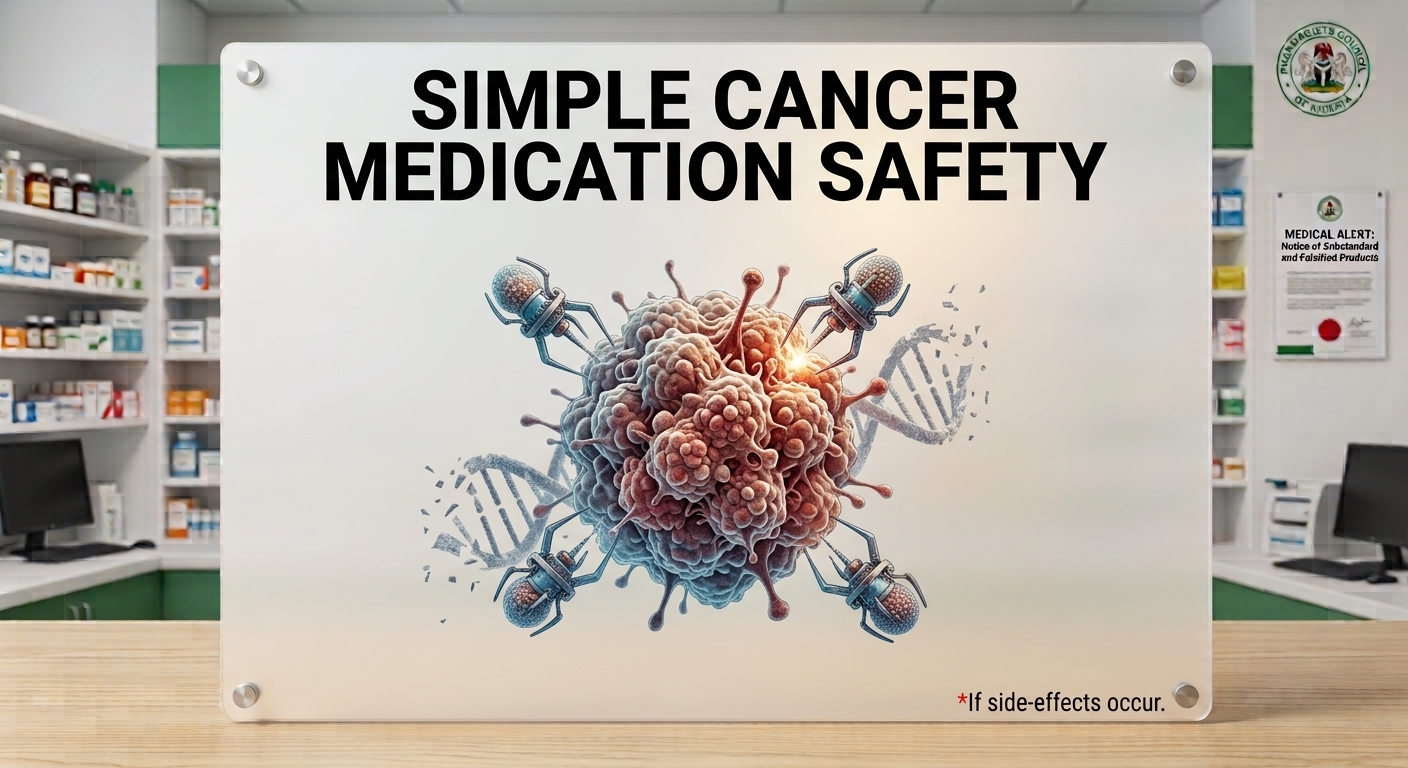
Cancer symptoms can have many causes, but persistent or unusual changes should be assessed by a doctor. Learn about cancer treatment drugs, symptoms and urgent warning signs.
Cancer is a group of diseases in which abnormal cells grow in an uncontrolled way. These cells may remain in one part of the body or spread to other organs. Because cancer includes many different diseases, there is no single cancer treatment, cancer drug or set of symptoms that applies to everyone.
Some cancer symptoms can resemble common illnesses, infections or non-cancerous conditions. A symptom does not automatically mean that a person has cancer. However, unexplained, persistent or worsening changes should be checked by a doctor. Early evaluation can help identify the cause and, when cancer is present, may allow treatment to begin sooner.
The World Health Organization (WHO) describes early diagnosis as recognizing symptoms, obtaining clinical evaluation and receiving appropriate treatment without unnecessary delay.who+1
Cancer Symptoms: What to Watch For
Cancer symptoms depend on the type of cancer, the body part affected and whether the disease has spread. Some cancers may cause few or no symptoms in their early stages, which is why appropriate screening is important for people who meet the relevant age or risk criteria. Screening recommendations differ according to country, cancer type and individual risk.
Possible symptoms include:
A lump or swelling that does not go away.
Unexplained weight loss or a persistent loss of appetite.
Ongoing tiredness that is not relieved by rest.
Persistent or worsening pain without a clear cause.
A cough, hoarse voice or shortness of breath that does not improve.
Unusual bleeding, including blood in the urine, stool, vomit or sputum.
Frequently Asked Questions
Here are answers to some common questions about this topic.
What are the common warning signs of cancer?
Possible warning signs include an unexplained lump, unusual bleeding, persistent pain or cough, unexplained weight loss, changes in bowel or bladder habits, a non-healing sore, or changes in a mole. These symptoms can have other causes, so see a doctor for assessment.
What drugs are used to treat cancer?
Cancer treatment drugs include chemotherapy, hormone therapy, targeted therapy, and immunotherapy. The appropriate treatment depends on the type and stage of cancer, test results, and the person’s overall health.
Can cancer be treated without chemotherapy?
Yes. Depending on the diagnosis, treatment may involve surgery, radiation therapy, hormone therapy, targeted therapy, immunotherapy, or a combination of treatments. An oncology team must determine which options are appropriate.
Should I use herbal remedies during cancer treatment?
Disclaimer: This article is for informational purposes only. Always consult a qualified healthcare professional for medical advice and visit nafdac.gov.ng for official NAFDAC information.
Changes in the size, shape, colour or texture of a mole or skin lesion.
Recurrent fever or night sweats without an obvious explanation.
Persistent night-time itching or swelling, depending on the cancer type.
These signs are not a diagnosis. For example, a persistent cough may be caused by asthma, infection or another lung condition, while weight loss may result from digestive disease, stress or other medical problems. The National Cancer Institute advises that possible cancer symptoms should be evaluated rather than used for self-diagnosis.
Symptoms by body area
Some symptoms may provide clues about the body system involved, although they can still have many possible causes. Breast changes may include a new lump, nipple discharge that is not breast milk, a change in breast size or shape, skin dimpling or persistent redness.
Digestive symptoms may include ongoing difficulty swallowing, persistent abdominal discomfort, changes in bowel movements or blood in the stool. Urinary symptoms may include blood in the urine or a persistent change in urination. Head and neck cancers may cause a non-healing mouth sore, a persistent sore throat, difficulty swallowing or a lasting change in the voice.
A person should arrange a medical appointment if a symptom persists, returns repeatedly, becomes worse or is unusual for them. The doctor may recommend an examination, blood tests, imaging, an endoscopy or a biopsy. A biopsy involves examining a sample of tissue and is often needed to confirm whether abnormal cells are cancerous.
How Is Cancer Treated?
Treatment depends on the cancer type, stage, location, tumour characteristics, test results and the person’s general health. A cancer-care team may recommend one treatment or a combination of treatments.
Common treatment approaches include:
Surgery: Removes a tumour or affected tissue when it can be safely removed.
Radiation therapy: Uses high-energy radiation to damage cancer cells and control or destroy a tumour.
Chemotherapy: Uses medicines that kill cancer cells or stop the growth of rapidly dividing cells.
Hormone therapy: Blocks or lowers hormones that help some cancers grow.
Targeted therapy: Acts on specific changes in cancer cells that support their growth or spread.
Immunotherapy: Helps the immune system recognize or attack cancer cells.
Stem-cell transplantation: May be used in selected blood cancers and other specific situations.
The National Cancer Institute identifies chemotherapy, radiation therapy, immunotherapy and targeted therapy among the main types of cancer treatment. Treatment plans may also include rehabilitation, nutritional support, psychological care and palliative care. Palliative care focuses on relieving symptoms and improving quality of life; it can be provided alongside cancer treatment and does not necessarily mean that treatment to control the cancer has stopped.
Cancer Treatment Drugs
Cancer treatment drugs include chemotherapy medicines, hormone medicines, targeted medicines and immunotherapies. Some are taken by mouth, while others are administered by injection or infusion. The medicine selected depends on the cancer and, in some cases, on specific features found through laboratory testing.
Biomarker testing may help clinicians identify whether certain targeted therapies or other treatments are likely to work. A biomarker is a measurable characteristic of cancer cells or the body that can provide information about diagnosis, prognosis or treatment selection. However, not every cancer has a useful biomarker, and testing does not guarantee that a treatment will be effective.
Cancer medicines can affect healthy cells as well as cancer cells. Possible side effects include nausea, vomiting, diarrhoea, constipation, tiredness, hair loss, mouth sores, skin changes, nerve symptoms, and changes in blood-cell counts. Immunotherapy and some targeted medicines may cause different effects, including inflammation in organs such as the lungs, liver, bowel, thyroid or skin.
Patients should report side effects to their cancer-care team. Do not reduce, delay or stop a cancer medicine without medical advice. A doctor may adjust the dose, change the treatment schedule or prescribe supportive care.
What You Should Do If You Have Symptoms
If you notice a persistent or unexplained symptom, visit a doctor. Record when it began, whether it is getting worse and whether you have other symptoms. Bring a list of medicines, supplements and relevant medical conditions to the appointment.
Do not rely on online information, unverified cancer cures or products advertised as guaranteed treatments. The US Food and Drug Administration warns that fraudulent cancer products may be marketed to people who are seeking treatment. Such products may delay effective medical care, interact with prescribed medicines or cause direct harm.
If cancer is diagnosed, ask your doctor or specialist:
What type and stage of cancer is present?
What tests were used to confirm the diagnosis?
What treatment is being recommended and why?
What benefits and side effects might be expected?
Are there other suitable treatment options?
Which symptoms require urgent medical attention?
Consider discussing treatment decisions with a qualified oncology team. A second medical opinion may also be reasonable, particularly when the diagnosis or treatment plan is complex.
When Should You Seek Urgent Medical Care?
Seek urgent medical care for severe difficulty breathing, chest pain, confusion, uncontrolled bleeding, sudden weakness, severe allergic symptoms or rapidly worsening illness.
If you are receiving chemotherapy or another cancer treatment, contact your care team urgently about fever, chills, a new cough, sore throat, severe diarrhoea, painful urination, mouth sores that prevent drinking, unusual bleeding or rapidly worsening symptoms. The National Cancer Institute notes that infections during cancer treatment can be serious and may require urgent attention.
Your cancer-care team may provide a specific temperature threshold and emergency contact number. Follow those instructions rather than waiting for the next scheduled appointment.
Final Thought
Cancer symptoms can be caused by many conditions, and only a qualified healthcare professional can determine the cause. Persistent lumps, unusual bleeding, unexplained weight loss, lasting pain, ongoing cough, changes in bowel or bladder habits and non-healing sores should be assessed by a doctor.
Cancer treatment may include surgery, radiation therapy, chemotherapy, hormone therapy, targeted therapy, immunotherapy or a combination. The right treatment depends on the confirmed diagnosis and the individual patient. Visit a doctor if you have concerning symptoms, and never start, stop or replace cancer treatment without professional medical guidance.
Speak with your doctor or pharmacist before using herbal products, supplements, or traditional remedies. Some may interact with cancer medicines, affect treatment, or delay appropriate care.
When should I see a doctor about possible cancer symptoms?
See a doctor when a symptom is persistent, unexplained, worsening, or unusual for you. Seek urgent care for severe breathing difficulty, uncontrolled bleeding, confusion, chest pain, or rapidly worsening illness.
Disclaimer: VerifyProduct.ng organizes publicly available information for educational purposes only and does not replace official verification through NAFDAC or any regulatory authority. This platform is not affiliated with NAFDAC or any government agency.